Digital Learning Driving Safer Sport Across Europe
Safe Sport International supporting the development of free, scalable safeguarding education.
Overview
Safe Sport International (SSI) served as a national partner in the European Erasmus Plus funded initiative iProtect in Sport, a collaborative project designed to strengthen safeguarding awareness and practice across grassroots and community sport.
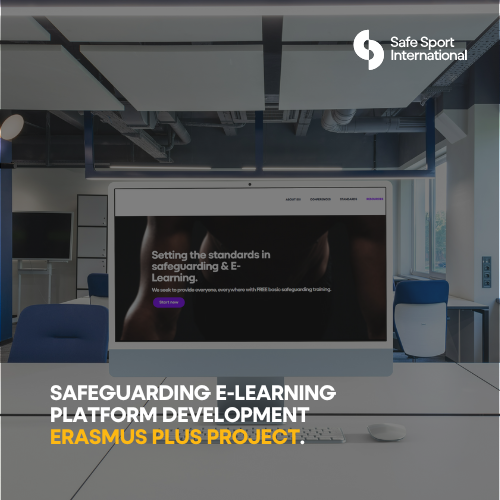
The project focused on developing a club-wide e-learning solution, enabling sports organisations to build safeguarding knowledge collectively rather than relying solely on individual training. SSI contributed safeguarding expertise to the design and development of a digital learning platform and course content that could be freely accessed and used across Europe and beyond.
Anne, representing SSI, participated in the project’s international partnership meetings, contributing safeguarding insight and practical experience to support the project’s development and delivery.


Challenges
Across Europe, sports clubs and community organisations face recurring safeguarding challenges:
Limited access to consistent, high-quality safeguarding training
Reliance on volunteers with varying levels of safeguarding knowledge
Financial and capacity barriers to safeguarding education
Inconsistent understanding of safeguarding roles and responsibilities at club level
A need for practical, accessible tools that support whole-club safeguarding culture
These challenges highlighted the importance of free, scalable, and easy-to-use digital learning solutions that could reach entire clubs, not just designated safeguarding leads.
Objectives
The iProtect in Sport project aimed to:
Develop a digital safeguarding learning platform suitable for use by entire sports clubs
Increase safeguarding awareness among coaches, volunteers, staff, and club leadership
Promote a shared understanding of safeguarding responsibilities within clubs
Encourage adoption of safeguarding good practice through recognition and incentives
Ensure resources were freely accessible and adaptable across countries and sports

Our approach

SSI supported the development of a suite of online safeguarding in sport courses, designed to:
Introduce core safeguarding concepts in a clear, accessible way
Support volunteers and non-specialists as well as safeguarding leads
Reinforce child-centred and rights-based safeguarding principles

The project adopted a whole-club approach, with SSI contributing to a model that:
Encouraged collective learning rather than isolated training
Supported consistent safeguarding understanding across roles
Helped clubs embed safeguarding into everyday practice

SSI contributed to shaping an e-learning platform that was:
Easy to navigate and accessible across devices
Suitable for diverse sports and organisational contexts
Designed for scalability and long-term use

SSI supported the development of the iProtect Club Badge, designed to:
Recognise clubs that complete safeguarding learning
Encourage visible commitment to safeguarding good practice
Support clubs in demonstrating safeguarding accountability

Outcomes
The iProtect in Sport project delivered:
A free, accessible e-learning platform for safeguarding in sport
A suite of online safeguarding courses suitable for whole-club use
The iProtect Club Badge, promoting recognition of safeguarding commitment
Increased access to safeguarding education for grassroots and community sport
Practical tools that continue to support safeguarding awareness beyond the project lifecycle
All outputs from the project are publicly available and hosted on the Safe Sport International website, supporting SSI’s mission to make safeguarding knowledge accessible to all.
Key stats


Conclusion
This case study demonstrates SSI’s ability to contribute safeguarding expertise to international digital learning initiatives, supporting scalable, inclusive, and sustainable safeguarding education across sport.
By partnering on the iProtect in Sport Erasmus Plus project, SSI helped deliver free, practical tools that empower sports clubs to build safer environments through shared learning, awareness, and collective responsibility.

View other case studies