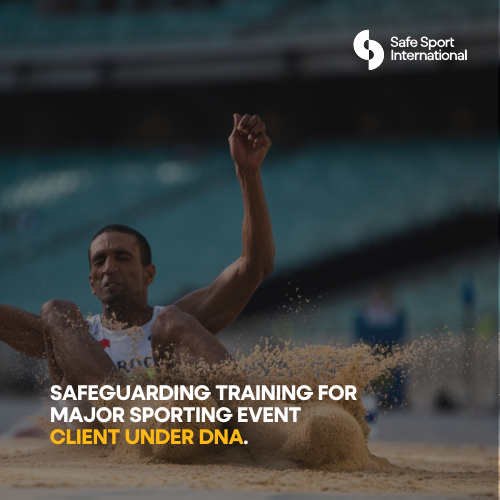
Safeguarding at Scale for a Major International Sporting Event
Bespoke safeguarding training designed to protect athletes and participants before, during, and after competition.
Overview
Safe Sport International (SSI) was commissioned to design and deliver a bespoke safeguarding training programme for a major international multi-sport event, operating under strict confidentiality. The organiser required specialist safeguarding expertise to ensure athletes, officials, safeguarding officers, and key stakeholders were equipped to identify, assess, and respond to safeguarding concerns within a complex, high-profile event environment.
SSI’s role focused on strengthening safeguarding capability before, during, and after the event, while supporting the organiser’s wider safeguarding framework and legacy objectives.


Challenges
The event presented a number of safeguarding challenges typical of large-scale international competitions:
A temporary and diverse event workforce, including staff, volunteers, and officials
Participants from multiple countries, cultures, and safeguarding systems
Increased safeguarding risk due to power imbalances, travel, accommodation, and competition pressures
Limited timeframes for training delivery prior to the event
The need for consistent safeguarding responses across venues and roles
These factors required a targeted, practical safeguarding training approach aligned to international best practice and event-specific risks.
Objectives
The event organiser engaged SSI to:
Design and deliver event-specific safeguarding training for key participant groups
Improve confidence in recognising and responding to safeguarding concerns
Support safeguarding readiness before, during, and after the event
Develop sustainable training resources with a wider reach beyond live delivery
Strengthen overall safeguarding assurance for stakeholders and partners

Our approach

SSI designed a safeguarding training package specific to the event context, addressing:
Event-related safeguarding risks
Roles and responsibilities of athletes, safeguarding officers, and stakeholders
Clear reporting and escalation pathways
Practical decision-making in time-pressured environments

SSI delivered targeted training sessions to:
Safeguarding officers and designated leads
Athletes and athlete representatives
Key operational and stakeholder groups
Training focused on building practical skills in identifying, assessing, and managing safeguarding concerns across different event phases.

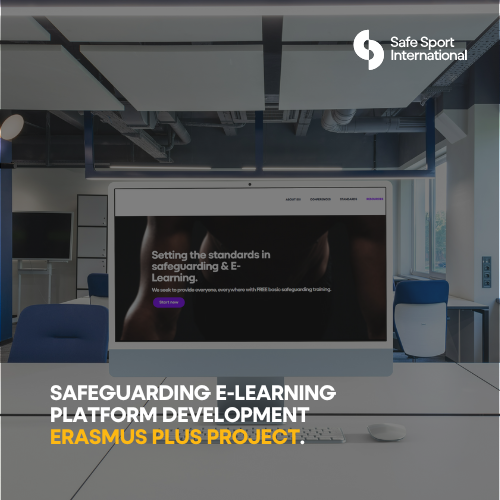
To extend reach and ensure accessibility, SSI supported the development of an online safeguarding training module, enabling:
Consistent messaging across the event workforce
Flexible access for those unable to attend live sessions
Ongoing safeguarding learning beyond the event period

Training content was structured to support safeguarding:
Before the event: preparation, awareness, and risk reduction
During the event: recognition, reporting, and response
After the event: follow-up, reporting, and learning

Outcomes
The safeguarding training programme delivered:
Improved safeguarding awareness and confidence among participants
Increased capability to identify and respond to safeguarding concerns
Clear understanding of roles, responsibilities, and reporting pathways
Expanded access to safeguarding education through online learning
Strong safeguarding assurance for event organisers and partners
The training contributed to the safe delivery of the event and supported longer-term safeguarding capability within the organising body.
Key stats


Conclusion
This case study demonstrates SSI’s expertise in delivering high-impact safeguarding training for complex international sporting events, where time, scale, and risk demand specialist knowledge and practical solutions.
By combining bespoke live training with scalable digital learning, SSI supported the organiser to strengthen safeguarding readiness, protect participants, and embed safeguarding as a core component of event delivery and legacy planning.

View other case studies